BabyGym and a rare form of Down Syndrome known as Mosaicism
August 4, 2026
Lees vir jou jong kind
September 8, 2026Read to your young child
By Dr Melodie de Jager |
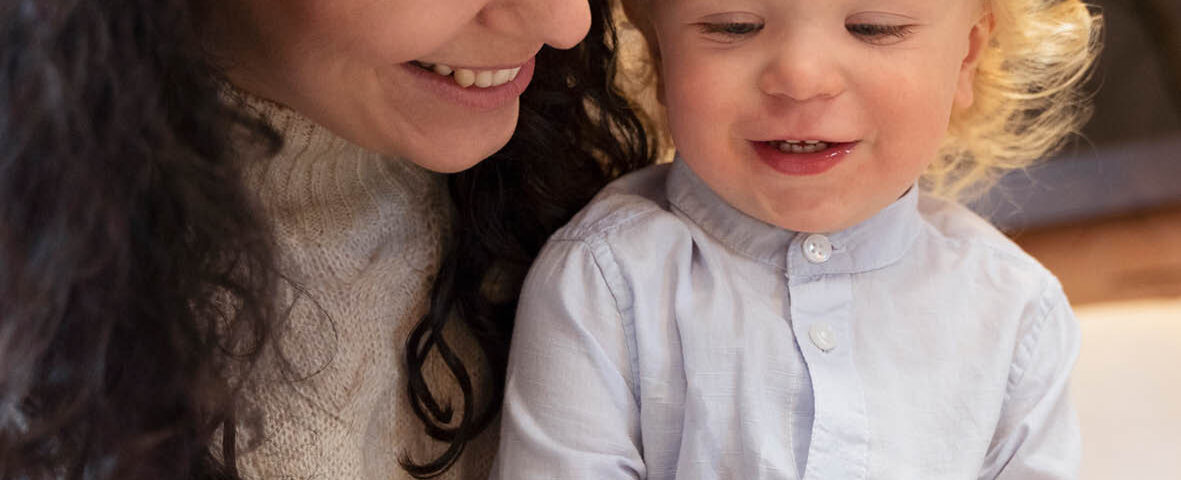
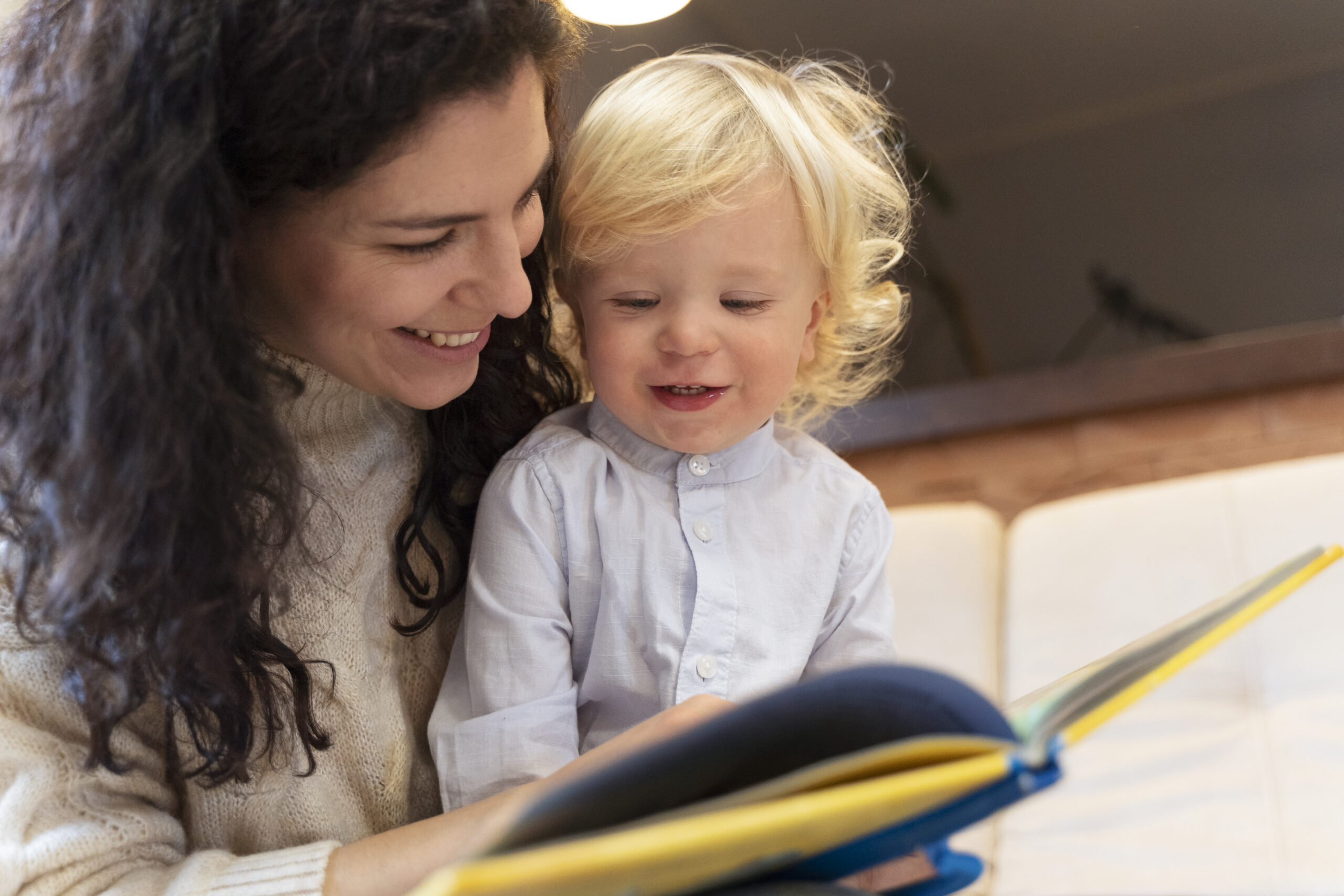
Thinking back, you may remember cuddle times with Mom, Dad, Granny, Grandpa or a favourite aunt or uncle – sitting together with a book in hand. It was the closeness of just the two of you, the warmth, the smell, the sound of the voice and the magic that unfolded every time a page was turned. And then it was about the book.
Babies read from early on
Babies read, but not books. They read faces. They read behaviour. They read their environment. They are masters at harnessing their mirror neurons to reflect what they’ve ‘read’. Their natural reading ability is about things that are real, not flat on a page.
It is around 8 months that a baby’s vision and brain have matured enough to ‘read’ who is familiar and who is a stranger. This is a huge milestone in visual development. Baby is developing visual perception – discrimination (telling apart), analysis (taking apart) and synthesis (putting together). These are products of baby’s emerging executive function of the brain. But note, baby spontaneously reads what is REAL. Books are real, but pictures aren’t real (intangible). Tablets and phones are real (tangible), but images on them aren’t real (intangible).
Optometrists will tell you it takes the eyes more or less seven years to mature to read with ease. They will also tell you that if babies and children spend more time with pictures and images than crawling, climbing, running, catching, kicking and hugging, they tend to develop myopia (nearsightedness) and lose the love of reading even before it starts.
Reading is an acquired skill
Reading is an acquired skill that starts when someone who can read spends time with a baby or toddler to share joy and give meaning to squiggles on paper. Squiggles represent sounds. Unravelling which squiggle represents which sound takes nearly nine years. Think of an a: one squiggle, but it represents many sounds. The ‘ay’ in baby, the ‘ah’ in zebra, the ‘o’ in swan.
Letters and words are abstract concepts, and only those children who have cultivated a love of reading learn to read with joy.
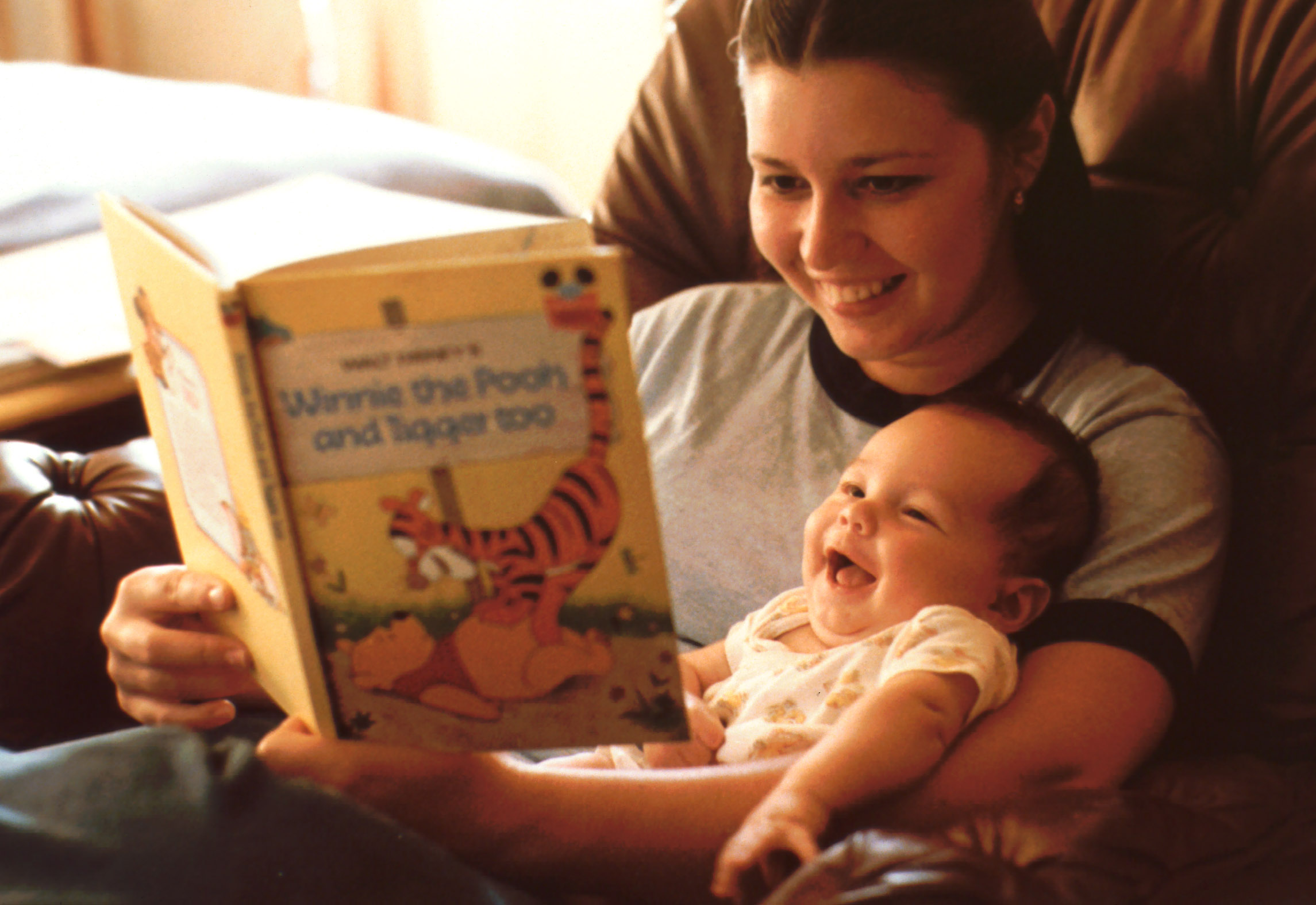
Reading to your baby is a marvellous shared activity that helps to calm them down, and that’s why most stories are read in the evening around bedtime. Your baby may not understand a word or recognise a single picture, but your baby or toddler will revel in your closeness and undivided attention. Your baby will clap their hands when they see you with a book, and your toddler will fetch a book because the book is a wonderful relationship anchor between you.
Children who are read to during their early years are more likely to learn to read at an appropriate age.
Reading to a baby or toddler develops:
- Listening skills – a fundamental skill that makes concentration possible.
- An ear for the sounds of their language.
- Emotional Intelligence (EQ) when they experience awe, wonder, joy, suspense, jealousy, anger, sadness, etc.
- Emotional literacy when they learn to name and express their feelings.
- Rich vocabularies when they point and name.
- Marvellous memories when they start remembering what comes next.
- Fine motor skills to turn a page.
- Language skills to express their needs and make friends.
- Social skills when they learn how other children handle situations.
- Thinking skills to solve problems later.
- A bridge between what is real (tangible) and what isn’t real (intangible), like pictures and symbols.
- A love of learning.
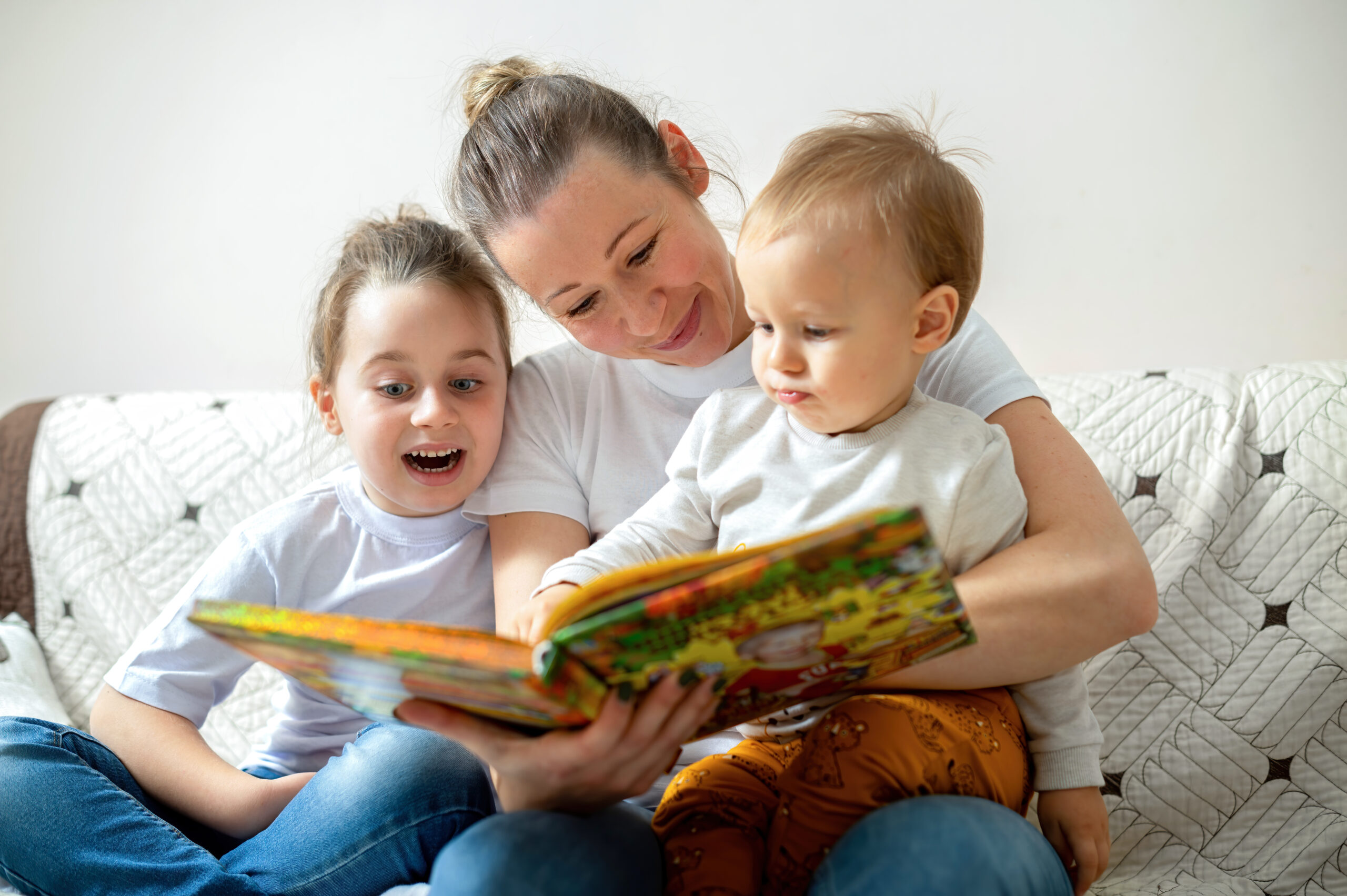
Reading and IQ
Albert Einstein was asked, ‘How can I make sure my child is intelligent?’ His answer: read stories to your child. ‘And if I want my child to be really clever?’ Read more stories to your child.
Language is the tool of thought. Without language, it is difficult to think and often one of the reasons why children bite – they bite because they battle to express themselves. But then we need to read age-appropriate books. Books that create curiosity, not fuel frustration.
Reading to your 4–12-month-old baby
For a baby of this age, ‘reading’ means pointing and naming people and objects. It also involves creating your own ‘books’ with pictures of family members, animals and objects they love.
Do this!
- Match a real object with a picture of the same object. For instance, if you are reading about a lion, have the toy lion close by. This activity adjusts the focus of the eyes between 2D and 3D.
- Pair books and toys or objects: Encourage baby to reach out and hold an object that you are reading about. It is not only age-appropriate learning, but multi-sensory learning. It builds a better brain.
- Allow baby to grasp the book and to contribute with babbles and squalls.
- Start off with picture-only books. Progress to ‘one word per page’ books. Later on, repetitive words and rhyming words captivate.
- Textured books, books with mirrors, books that fold open or have moving parts are all delightful!
- To survive the ‘straight-to-mouth’ tendency of 4–12-month-old babies, choose books made from appropriate materials. They need to be sturdy, wipeable and durable.
Liven up story time
Choose books or stories carefully:
Make sure stories are age-appropriate and that the book has lively, colourful pictures without too much detail. You will be reading the same story many times; approach the story from a fresh angle and be original!
- Be expressive: Use your whole body to communicate.
- Voice: Use inflection and expression in your voice. Emphasise certain things and speak at different sound levels. Mommy Bear must speak with a mommy voice, and Daddy Bear must sound like a daddy. Don’t be afraid to overdramatise.
- Humour: Find something to say or a way to say it that makes your baby chuckle.
- Involvement: Involve your baby in the story by letting them make the sound effects and imitate the actions. If they are too young to do this by themselves, take their hands or feet in your hands and move together: clap, wave, stomp, etc. Repetition builds memory and skills.
To summarise:
Reading to your baby creates an opportunity to develop vocabulary, imagination and reasoning ability. It is a fun bonding activity that also contributes to a restful night’s sleep because baby feels loved and cherished. Reading together over time develops a love of books and learning!